

Insights on Digital Wellbeing, AI Ethics and the Psychology of Technology
Cyberpsychology Basics
Clear, accessible explanations of core concepts in the psychology of technology, from phubbing to grief bots, digital wellbeing to leadership in a time of AI. These posts are starting points that are grounded in research and the overall landscape of what’s happening in cyberpsychology, written for anyone who wants to understand how digital life affects the way we think, feel, work, and relate.
Thought Leadership
Deeper dives into the questions shaping our digital future. These pieces draw on my clinical experience, academic research and cultural commentary to examine what's happening at the intersection of AI, human psychology and society.

Why a Hotel That Makes You Write a Letter Might Be the Cure for Algorithm-Driven Travel
Cyberpsychologist Elaine Kasket on El Elevador's handwritten-letter booking system, why algorithmic travel planning leaves us feeling flat, and what the hospitality industry could learn from slowing down.
Understanding Digital Detox: Reclaiming Our Focus and Wellbeing
Digital detoxes promise relief from constant connectivity. Read a cyberpsychologist's perspective on awareness, agency, and intentional technology use.

Technoference: What Happens When Devices Are Present in Interaction
What is technoference? Cyberpsychologist Elaine Kasket explores how we experience attention and presence when devices are part of everyday interaction.

Dead Labour: The Human Ghosts inside AI
The dead live on inside the technologies we use. Dr Elaine Kasket on digital afterlives, spectral labour, and the human traces that train AI.

How Digital Boundaries Support Sustainable Workplace Performance
Cyberpsychologist Dr Elaine Kasket on why sustainable workplace performance depends on digital boundaries, and what always-on culture does to attention, judgement, and trust.
What You’re Risking by Using AI to Help You Write
Before you published your last piece of writing, whether that was a blog, a LinkedIn post, or a piece of short- or long-form writing, you probably used AI. A cyberpsychologist explains why AI writing tools are worth resisting.
Therapy without a Therapist: Are Therapy Bots Good for Us?
They're available at 3am, they never judge, and they’re incapable of caring about you. A cyberpsychologist’s take on what we stand to gain and lose from therapy bots.

Doomscrolling: Definition, Impact, and How to Stop
The algorithms feed your distress because your anxiety is profitable. You're not weak for doomscrolling; you're a victim of deliberate design. A cyberpsychologist on how to reclaim your attention.
Digital Wellbeing: How to Use Technology Without Losing Yourself
The tech industry and the wellness industry both want your business. One wants you always on. The other's selling disconnection and detox. The main loser in this tug of war is you. Cyberpsychologist Elaine Kasket on how to take back control.

Leadership in the Digital Age: AI, Human Agency, and What Your People Need
AI is a freight train, and many workers feel tied to the tracks. Cyberpsychologist Elaine Kasket on what happens to agency, mastery, and desire when people feel dispensable, and how great leaders centre their people's humanity.
Sharenting Explained: How Sharing Online Shapes Children's Privacy and Trust
Every photo you post of your child is training data for a future you can't predict. Cyberpsychologist Elaine Kasket on sharenting, children's digital rights, and why the stakes are now high.
Device Mindfulness: Techniques to Increase Your Agency
Your phone is designed to hijack your attention. This guided exercise builds agency in its presence, not its absence. Cyberpsychologist Elaine Kasket on why detox doesn't work and what does.
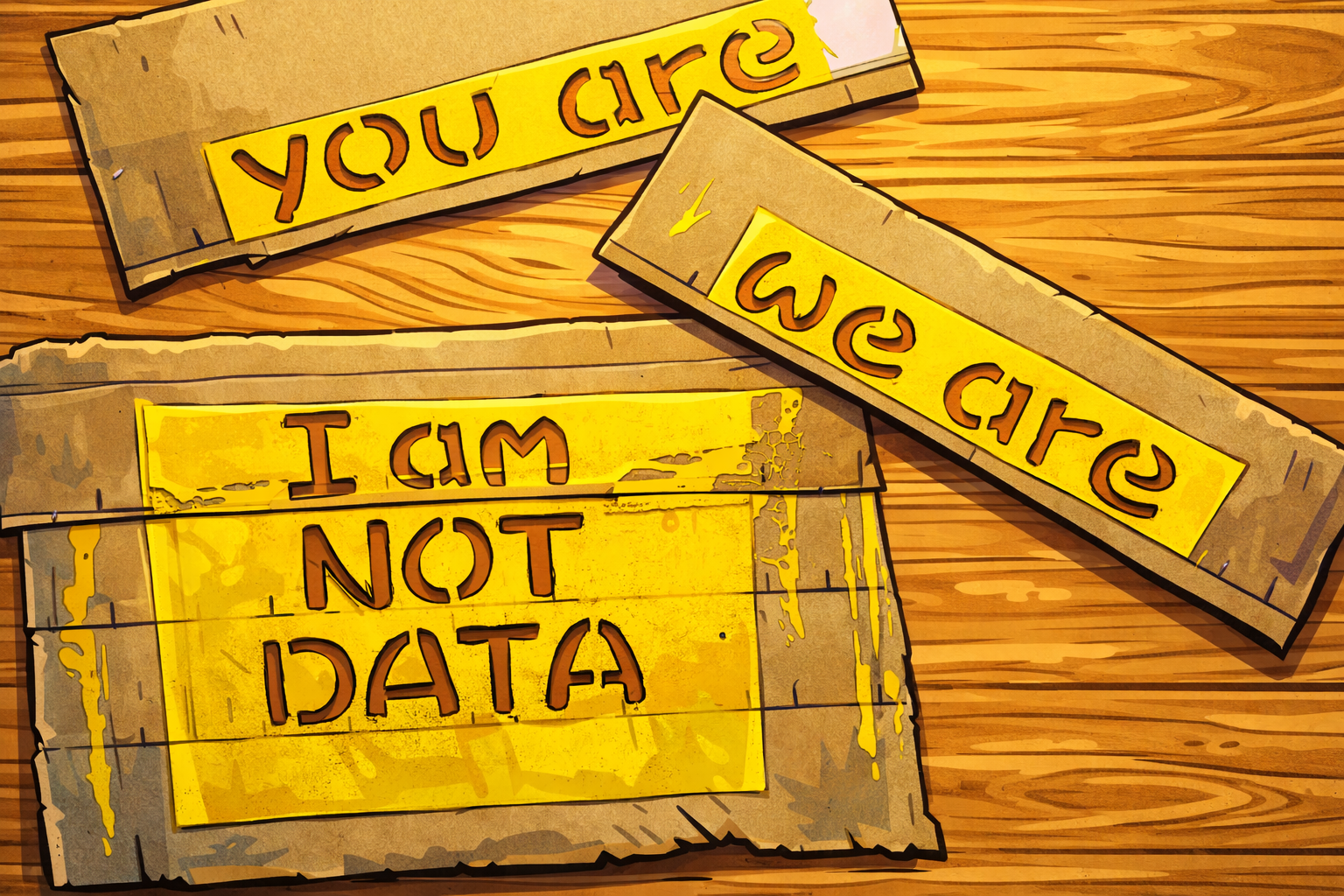
We Are Not Data: A Cyberpsychologist in Davos
Cyberpsychologist Elaine Kasket reflects on Davos 2026: agentic AI, human accountability, acceleration messages, and artistic imagination.

Phubbing: Your Phone is the Third Wheel in Your Relationship
You’re a nice person. You wouldn’t invite someone to dinner and ignore them all evening. But your phone might be doing it for you.. Phubbing — phone snubbing — can erode the closest relationships.

How Chatbots Exploit Our Instinct to Humanise Them: A Cyberpsychologist’s Perspective
How do AI chatbots like ChatGPT nudge us into forgetting we're talking to machines? A cyberpsychologist examines five anthropomorphising tactics.

The Platformisation of Grief: Why the Commodification of Loss Matters
Cyberpsychologist Elaine Kasket traces the path from séances to griefbots, and asks what we risk when we use technology to try to eliminate grief.
Is the Embodied Therapist an Endangered Species?: AI, Empathy, and What Humans Still Offer
AI can simulate empathy. It can mirror your tone, match your pace, validate your feelings. What it can't do is know suffering from the inside. Cyberpsychologist Elaine Kasket on what embodied human therapists still offer that machines cannot.

AI Relationships: What They Are, Why They Matter, and the Psychological Risks
We’re hearing stories about AI marriages, AI soulmates, and AI breakups. But beneath the provocative headlines sit layers of quieter, more nuanced, and yet essential questions.
AI Therapy and the WEIRD Men Who Want to Fix You
What do tech founders assume therapy is, and why might their assumptions be dangerous? Dr Elaine Kasket unpacks the values behind AI therapy and why relationships matter more than algorithms.

The Gold Digger in Your Phone: Why AI Relationships are Corporate Romance Scams
Why aren't we talking about who profits from AI relationships? Cyberpsychologist Elaine Kasket examines the economics of emotional exploitation.