
"A critical reminder that, at every stage of life, we get to choose our relationship with technology — and our choices shape our humanity. Kasket's book is a roadmap filled with generous possibilities." — Luke Burgis, author of Wanting
Originally published in hardback as Reboot: Reclaiming Your Life in a Tech-Obsessed World (2023). The audiobook retains the Reboot title.
Author Elaine Kasket talks to Ben Keene of Rebel Book Club about Reset: Rethinking Your Digital World for a Happier Life, freedom, control, agency, and how her books compare to Johann Hari’s Stolen Focus.
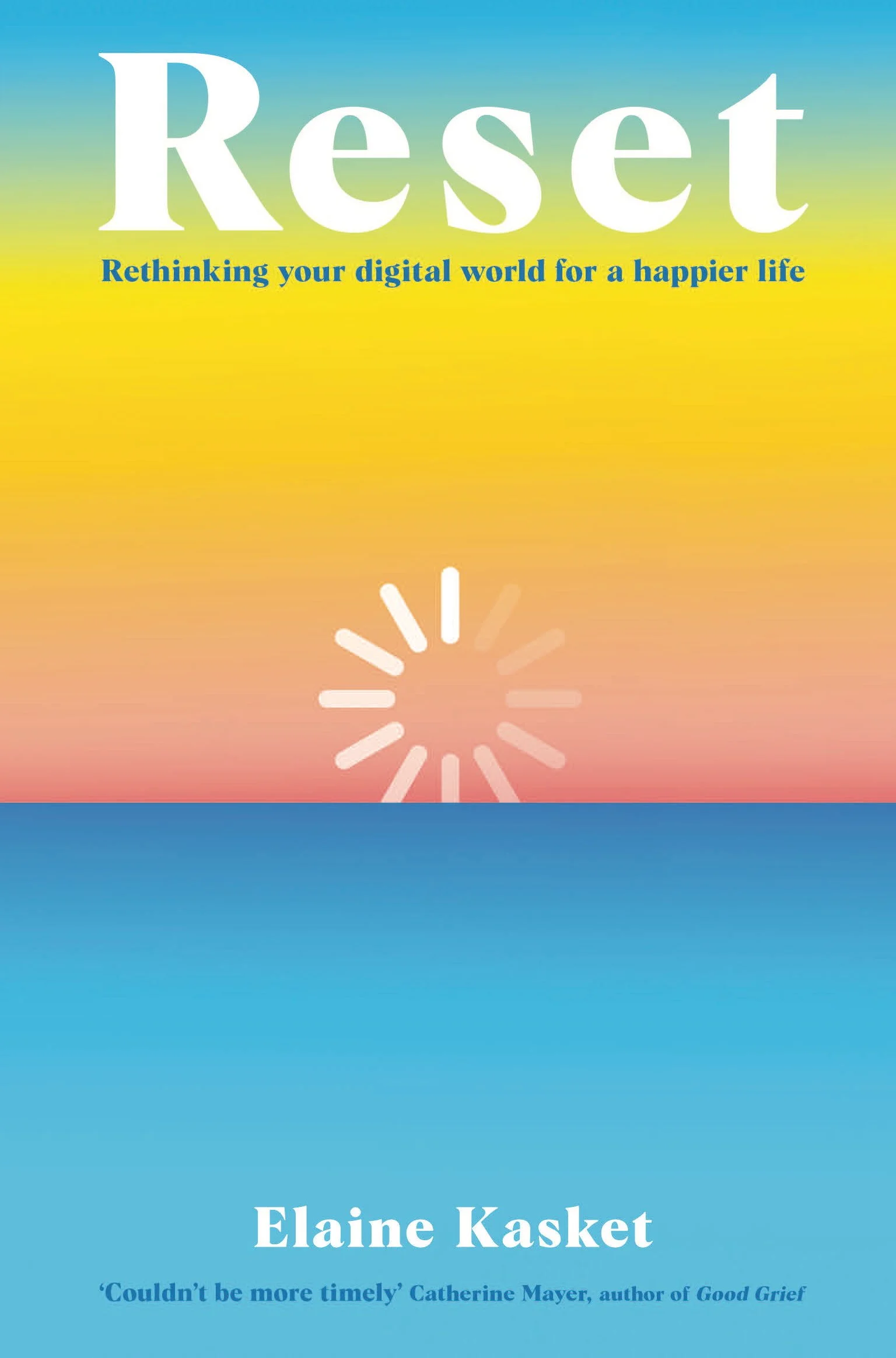
Reset: Rethinking Your Digital World for a Happier Life
Originally published in hardback as Reboot: Reclaiming Your Life in a Tech-Obsessed World (2023). The audiobook retains the Reboot title.
The book
We talk about technology as though it's something that happens to us. We ask what technology is doing to the kids, and we look to regulators or platforms to save us through new laws or improved design, and we feel like our agency and control is disappearing. And the design of so many of the technologies we use is so deliberately powerful that it makes sense for us to feel like victims, at least some of the time.
Reset challenges presumptions of helplessness, asking: what are you doing with technology, and why? And could you be doing it differently? Have you got more power than you think, and if so, how can you take it back?
I'm a cyberpsychologist and counselling psychologist. I've spent years working with individuals and families, and studying how digital life shapes our sense of who we are, how we connect, and how we cope. In this book, I bring my clinical and research experience to every stage of life — from before birth to after death — to show how deeply our technology choices are tangled up with our psychology, our relationships, and our development.
The structure follows the structure of Erik Erikson's well-known psychosocial model of the human lifespan. Erikson, one of the most famous and influential developmental psychologists, believed our identities are socially constructed and keep evolving throughout life, and that each stage brings a fundamental tension we must navigate. In Reset, I asked whether those tensions still hold in the digital age, or whether technology has changed the landscape so profoundly that we need an entirely new model of thinking about who we are and how we develop as people. The answer turned out to be: both.
Each chapter takes a life stage and examines the collision between human development and digital life, focusing on a few key technologies that come into play during that life stage. The result is what I call a ‘technopsychosocial’ lifespan model — a framework for understanding how technology mediates the psychological and social challenges we face at every age.
What the book covers
Digital gestation and infancy
Your child's digital life begins before they're born. Every scan shared, every pregnancy app consulted, every birth announcement posted starts building a digital footprint that belongs to someone who never consented to it. The early chapters explore sharenting, surveillance, and the tensions between parental pride and children's privacy.
Childhood and adolescence
As children grow, they encounter technology that was handed to them by the same adults who then worry about their use of it. These chapters examine how screens and platforms intersect with identity formation, peer relationships, autonomy, and the push-pull of growing up in a world where your social life, your reputation, and your inner world are all partially mediated by devices.
Adulthood
Phubbing your partner at dinner, or snooping on a lover's phone, or outsourcing emotional labour to a chatbot are all unfortunate features of modern love. The adult chapters explore how technology mediates intimacy, trust, attention, and presence — and what happens when digital life becomes the third party in your closest relationships.
Middle and older adulthood
Work, caregiving, ageing, retirement — each brings its own digital pressures and possibilities. These chapters look at how technology reshapes the second half of life, from the economics of attention to the challenge of staying connected without being consumed.
The digital afterlife
What happens to your data when you die? Who controls your digital remains? And should those remains ever be used to build a chatbot of you? The final chapter connects to my earlier book, All the Ghosts in the Machine, and extends the conversation into grief bots, posthumous avatars, and the ethics of digital mourning.
Who it's for
Reset is for anyone who has ever looked at their screen time report and felt uneasy. For parents wondering what the right boundaries are. For couples negotiating the phone on the bedside table. For anyone who suspects their relationship with technology could be more intentional — and who wants a framework for thinking it through, not a set of rules to follow.
It's not a digital detox manual. I'm not interested in telling you to put your phone in a drawer. I'm interested in why you reach for it, what it gives you, what it costs you, and what changes when you start paying attention to those questions.
REVIEWS
What readers and reviewers say about Reset
"A critical reminder that, at every stage of life, we get to choose our relationship with technology — and our choices shape our humanity. Kasket's book is a roadmap filled with generous possibilities." — Luke Burgis, author of Wanting
"Witty, bracingly honest, deeply humane and piercingly insightful. Reboot is both a call to take back our digital agency and an empowering toolkit for helping us to do so." — Patrick Stokes, author of Digital Souls
"Digital technologies aren't just transforming every area of life. They're transforming us, and this book, examining the psychological, social and technological intersections of this transformation, couldn't be more timely." — Catherine Mayer, author of Good Grief
"Kasket has the ability to illustrate complex research areas through engaging, human stories that often reach all the way into your heart. As a recent parent, this book really made me reevaluate the way I use technology around my family." — Carl Öhman, author of The Afterlife of Data
BONUS PODCAST EPISODES
Around the launch of Reset, I produced podcast episodes for each chapter, exploring key themes from the book in conversation with colleagues expert in the fields relevant to each chapter. You can listen to them here.
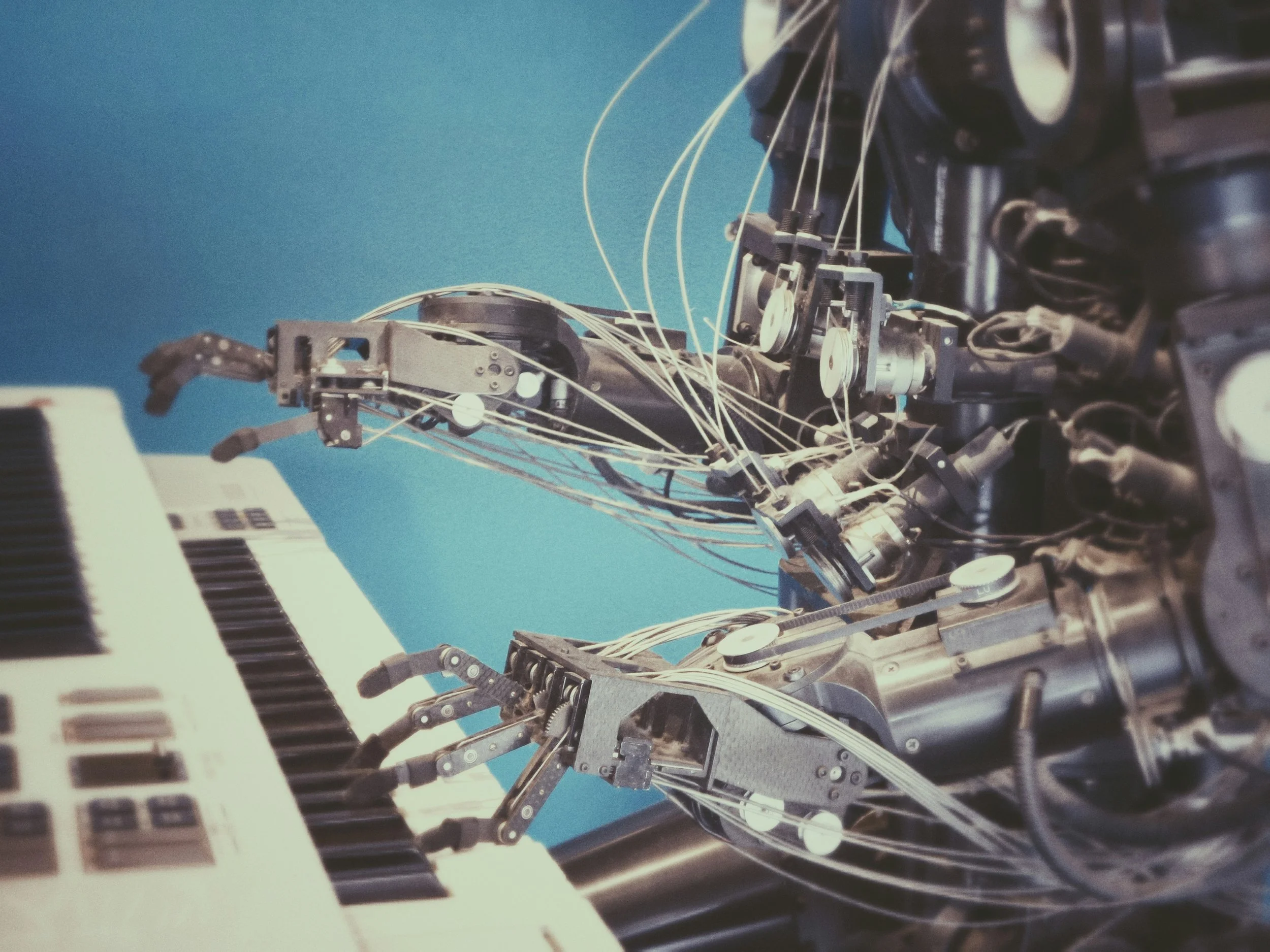
Chapter 7: Middle Adulthood Work, AI, and the challenge of reinvention in midlife. Elaine explores what happens when careers built in one era collide with the technological realities of another, with writer and psyML Chief Product Officer Eric R. Burgess.

Chapter 8: Older Adulthood Technology and ageing — connection, isolation, and what digital life looks like in later years. Elaine examines how older adults navigate a tech landscape designed without them in mind, including threats to identity that come with genetic genealogy.