
Understanding Digital Detox: Reclaiming Our Focus and Wellbeing
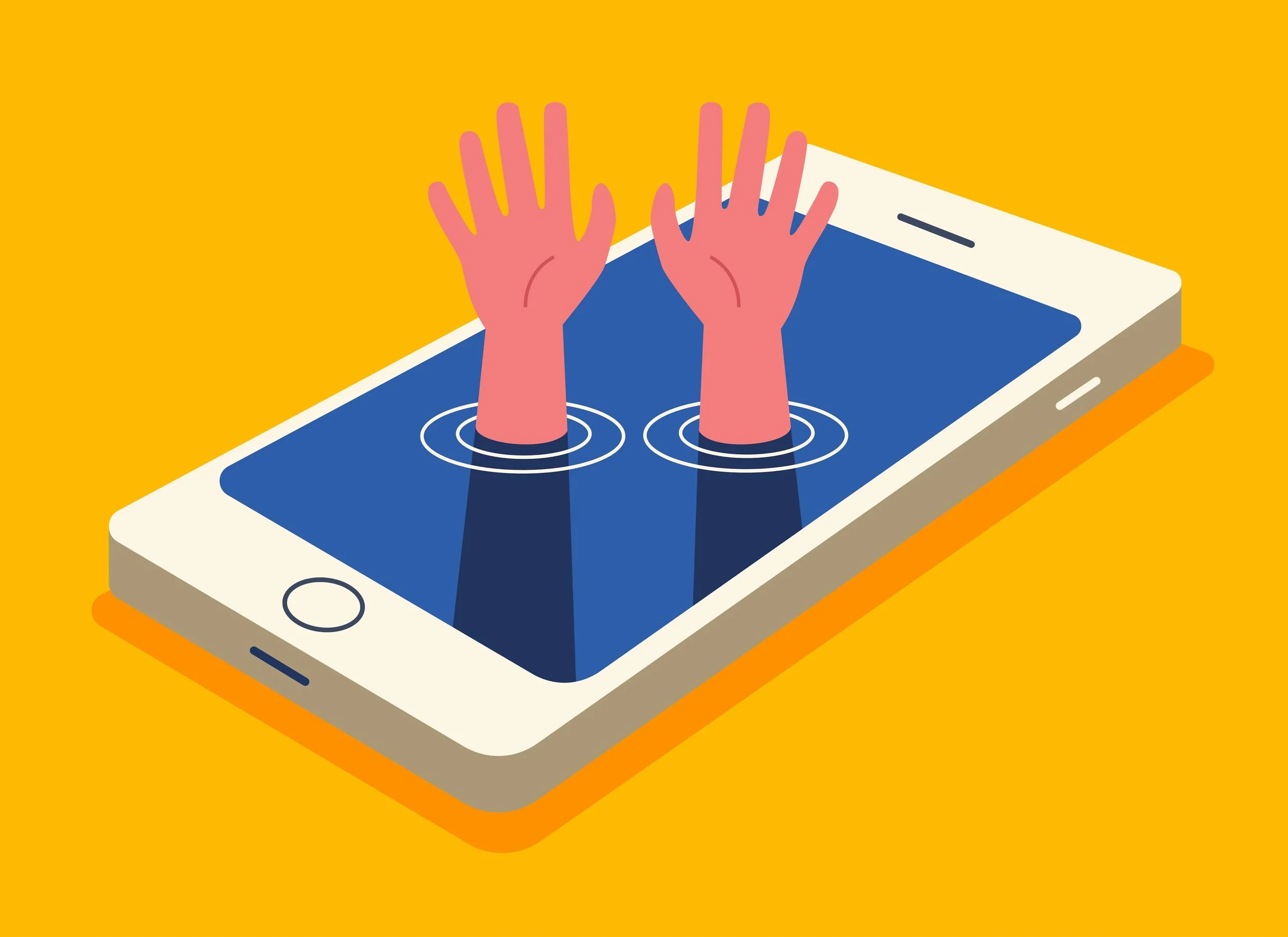
We’re drowning in technology. How do we resurface? Image by Andania Humaira on Unsplash+.
Digital detoxes have become increasingly popular. Faced with constant notifications, endless streams of information, and the expectation of perpetual availability, many people feel overwhelmed by their digital lives and seek relief by stepping away from technology.
The idea makes sense. Yet the ‘digital detox’ phrase is revealing, suggesting that the answer is a periodic cleansing, a total escape from technology.
But for most of us, technology is no longer occasional presence in our lives but is woven through how we work, communicate, navigate, learn, and maintain relationships. How can we simply opt out?
From a cyberpsychological perspective, this raises an important question. If our only way of exercising choice is to remove technology entirely for a period of time, what happens when we reconnect? Perhaps the most meaningful digital detox is not one that helps us avoid technology, but one that helps us engage with it more consciously and intentionally.
Book a Keynote on Maintaining Wellbeing in a Digital World
This piece is part of my Cyberpsychology Basics series, simple overviews of digital phenomena that affect your life.
As you're reading, keep in mind that I also engage in thought leadership and speak internationally on digital life, human connection, and the psychological effects of living in a technology-rich world. If you are looking for a keynote speaker, panel contributor, or expert perspective on how the digital world affects mental health, you can learn more about my speaking work or get in touch.
More of my writing on digital life, social media, and online interaction:
● How Digital Boundaries Support Sustainable Workplace Performance
● Doomscrolling: Definition, Impact, and How to Stop
● Digital Wellbeing: How to Use Technology Without Losing Yourself
Key Takeaways
● Digital detox strategies involve intentionally reducing or changing how you engage with digital technologies.
● Many people seek digital detoxes because of constant connectivity, digital overwhelm, and fragmented attention.
● Temporary disconnection can be helpful, but lasting change usually requires more than simply stepping away from devices.
● Technology is deeply embedded in modern life, making permanent disconnection unrealistic for most people.
● Awareness and agency are often more sustainable goals than avoidance or abstinence.
● Small changes to digital habits can create opportunities for more conscious and intentional technology use.
● The most effective digital detox strategies help people understand how technology fits into their lives, not just how to spend less time with it.
What is Digital Detox?
A digital detox is a deliberate reduction in the use of digital technologies such as smartphones, social media platforms, computers, messaging apps, or other internet-connected devices. Digital detox strategies can range from taking a short break from social media to creating device-free periods during the day or reducing notifications and screen time. A whole industry has developed around digital-detox retreats and holidays.
People pursue digital detoxes for many reasons. Some feel overwhelmed by constant connectivity. Others are concerned about distraction, difficulty concentrating, disrupted sleep, their screen-time statistics, or the general feeling that too much of their attention is being consumed by digital environments.
The popularity of the term ‘digital detox’ reflects a growing discomfort with aspects of contemporary digital life. Many people recognise that their devices occupy a significant amount of their time and mental space, and they are looking for ways to regain a greater sense of control.
At the same time, the idea of a digital detox can be somewhat misleading. Unlike a substance that can simply be removed from our lives, technology is deeply embedded in how many of us work, communicate, access services, maintain relationships, and participate in society. For most people, the goal is not permanent disconnection.
A more useful way to think about digital detox strategies may be as opportunities to become more aware of how technology fits into our lives. Rather than focusing exclusively on absence, they can create space to reflect on our habits and the choices we make in relation to the devices and platforms we use every day.
Why Do So Many People Feel the Need to Detox?
The appeal of digital detoxes becomes easier to understand when we consider the environments in which many of us now live and work. Never before have so many opportunities for information, entertainment, communication, distraction, and reassurance been available through a single object that we carry almost constantly.
But human attention has always been restless.
We are curious creatures, drawn towards novelty, social connection, and information that might be useful or rewarding. For much of human history, however, our informational environment was relatively slow. Answers were harder to find, and periods of waiting or uncertainty were often unavoidable.
Today's digital environments are different. The same device can deliver work messages, breaking news, social updates, entertainment, shopping opportunities, and an almost infinite stream of personalised content. It’s not unusual for this to create a feeling of being perpetually connected to something, even during moments that might once have been characterised by boredom, reflection, or simple presence.
This does not mean technology is inherently harmful, nor does it mean that everyone experiences digital life in the same way. But it does help explain why many people report feeling mentally crowded, distracted, or pulled in multiple directions at once. The desire for a digital detox often reflects a wish for relief from this experience, a longing for greater control over where attention goes and how it is spent.
Our emotional lives, relationships, preferences, and habits are also deliberately manipulated and exploited by digital platforms, in ways that can be difficult to see clearly. Technology companies are often less than honest about the techniques they use to influence us. Unsurprising, then that many people respond to this feeling of being controlled by wanting to step away, even if only temporarily.
The Limitations of Digital Detox Thinking
Stepping away from technology can be genuinely helpful. Time away from devices may create space for reflection, reduce distractions, and offer a welcome sense of relief. But disconnection by itself is unlikely to resolve the underlying issue. Digital detoxes, screen-time restrictions, app bans, and digital-free days can all offer a sense of distance from habits that feel difficult to control. Yet these approaches sometimes position technology as the source of the problem and absence as the solution.
This raises an important question:
If we can only exercise choice when our devices are out of sight, switched off, or physically removed from us, how much agency can we have?
Most of us live in environments where technology is not optional. Our devices accompany us through work, relationships, travel, entertainment, learning, and everyday administration. They are woven into the routines of contemporary life. Sooner or later, the detox ends and the device returns.
A sustainable relationship with technology requires more than temporary disconnection. It requires awareness of the habits, impulses, emotions, and assumptions that shape how we engage with our devices in the first place. Otherwise, the conditions that prompted the detox often remain unchanged.
Feeling and exercising your agency is crucial. The goal isn’t always to become less connected, or entirely disconnected. Instead, we can become more conscious, deliberate, and values-aligned in how, when, and why we connect. A digital detox can be valuable if it creates space for that awareness, and reconnection with our own desires and needs.
Digital Detox Strategies that Build Agency
If the goal is not simply to avoid technology but to develop a more intentional relationship with it, then digital detox strategies should help us become more aware of our habits rather than merely interrupting them for a time.
Notice Your Relationship With Your Devices
Most of us interact with our phones hundreds of times a day without giving the interaction much thought. The device becomes so integrated into daily life that our use is automatic, unthinking, and invisible to us.
One useful starting point is the deceptively simple art of noticing, becoming more aware. What prompts you to reach for your phone? What emotions, situations, or habits tend to precede it? When you unlock your device, are you acting deliberately or automatically? Curiosity can often reveal patterns that remain hidden when our behaviour operates on autopilot.
Introduce Useful Friction
Digital experiences are often designed to remove friction. Notifications arrive instantly. Apps open immediately. Content appears with minimal effort.
Sometimes, introducing small amounts of friction can help disrupt automatic behaviour and create opportunities for conscious choice. This might involve turning a device fully off rather than placing it on silent, disabling non-essential notifications, removing apps from a home screen, or placing a reflective prompt on a lock screen.
Such friction creates a brief but helpful pause between impulse and action for behaviours you’re trying to reduce.
Create Moments of Mindful Disconnection
Temporary periods away from devices can still be valuable, depending on how they are approached.
Rather than treating disconnection as an escape from technology, it can be useful to approach it as an opportunity to notice what happens in its absence. What thoughts arise? What emotions appear? What urges become visible? What feels easier or more difficult?
The experience itself may reveal something important about the role technology currently plays in your life. In-the-moment journalling about your experience can deepen your awareness. Notice what is happening, in the moment, with curiosity and without judgment.
Protect Your Capacity for Sustained Attention
Attention is a finite resource. Most digital environments encourage or nudge rapid shifts between tasks, conversations, and streams of information, making sustained concentration increasingly difficult to practise.
Creating opportunities for uninterrupted attention can therefore be a meaningful digital detox strategy. Whenever you ‘mono-task,’ you strengthen your ability to engage deeply with ideas, activities, people, and experiences, protecting your capacity for sustained attention.
Ultimately, the most effective digital detox strategies increase awareness, flexibility, and behavioural choice. Perfection, abstinence, or complete control aren’t necessary. Mindful awareness of how technology fits into your life and what purpose it’s serving gives us more agency in our relationship with it.
A Better Question Than ‘How Do I Detox?’
Much of the conversation around digital wellbeing focuses on how to spend less time with technology. Sometimes that’s a useful focus, but perhaps not the most interesting or helpful one.
Beyond being simply a communication device, your phone is a camera, a map, a diary, a source of entertainment, a workplace, a social space, a memory archive, and for many people, a constant companion. The relationship is far more complex than a simple calculation of hours spent online.
Technology can deepen experience and connection. It can also fragment attention, encourage mindless habits, and pull us away from what matters to us. The same device can do both. Recognising this complexity allows us to move beyond simplistic narratives of addiction or abstinence and towards a more nuanced understanding of our relationship with digital tools.
Technology is likely to remain a central part of contemporary life. The question is not whether we use it, but how consciously we do so.
Frequently Asked Questions About Digital Detox
What are the benefits of a digital detox?
Many people report benefits such as improved focus, reduced feelings of overwhelm, greater awareness of digital habits, and more time for offline activities. The experience can also create opportunities to reflect on how technology fits into everyday life.
How long should a digital detox last?
There is no ideal length. Some people choose a few hours, while others take a weekend, a week, or longer. The value of a digital detox depends less on its duration and more on what it helps you notice about your relationship with technology, and what changes you implement as a result.
Do digital detoxes actually work?
Digital detoxes can be helpful for creating space and perspective. However, lasting change depends on what happens after the detox ends. Understanding habits, triggers, and patterns of technology use is as important as the break itself. Spending large amounts of money on bespoke digital detoxes is rarely necessary to achieve this.
What is the difference between a digital detox and digital wellbeing?
A digital detox is typically a temporary period of reduced technology use. Digital wellbeing is broader and focuses on how people engage with technology over time, including being flexible and intentional with their attention; practicing habits that feel healthy for them; exercising healthy boundaries; and experiencing agency and intentionality. Digital detoxes are ultimately ineffective unless they contribute to an overall digital wellbeing.
Can a digital detox improve mental health?
Some people find that taking a break from certain technologies reduces stress or helps them feel less overwhelmed. However, experiences vary, and a digital detox is not a substitute for professional mental health support when it is needed.