
Articles & Media Features: Elaine Kasket on AI, Digital Wellbeing & Cyberpsychology
Dr Elaine Kasket is a cyberpsychologist, keynote speaker, counselling psychologist, and media commentator featured in TIME, The Guardian, The Telegraph, New Scientist, Psychology Today and other international outlets. She is a Visiting Professor for the Centre for Death and Society at the University of Bath.
Her media commentary covers AI companions and AI relationships, grief bots and digital afterlife, sharenting and children's digital privacy, technology ‘addiction’ and digital wellbeing, phubbing and technoference in relationships, and the psychology of agentic AI.
To inquire about expert commentary, get in touch.
-

TIME
The Rise of AI Resurrection. Cyberpsychologist Elaine Kasket is quoted extensively in this TIME feature on how AI is rewriting grief, memory, and death. She warns that digital resurrection tools risk making us psychologically brittle by scrubbing away the difficulty inherent in human relationships — and that when we pathologise the natural finitude of life, we need to stop and think about what we're doing. Author of All the Ghosts in the Machine.
-

Fortune
Want to Live Forever? Meta Patented an AI Model That Would Keep Your Profile Active After You Die. Cyberpsychologist Elaine Kasket is quoted in Fortune on Meta's patent for using AI to simulate deceased users' social media activity. She describes the patent as treating user death as an engagement problem and warns against the notion that grief is something technology can solve. Author of All the Ghosts in the Machine and Visiting Professor at the Centre for Death and Society at the University of Bath.
-

ELLE UK
How to Break Up With Your Followers. Cyberpsychologist Elaine Kasket is quoted in Elle UK’s April 2026 feature on what happens when you want to log off social media permanently. She explains how platforms have commodified human identity, blurring the line between self and personal brand, and why disconnecting requires more than willpower — it means pushing back against an attention economy engineered to keep us online. Author of Reset.
-
House of Beautiful Business
A Cyberpsychologist’s Perspective on Agentic AI. Cyberpsychologist Elaine Kasket writes for the House of Beautiful Business on agentic AI — autonomous AI systems that act on our behalf. She examines the psychological implications of delegating decisions and actions to AI agents, and what this means for human autonomy, agency, and our relationship with technology in the workplace and beyond.
-

The Guardian
A Moment that Changed Me: I Stopped Sharing. Elaine Kasket writes a first-person piece for The Guardian about when she stopped posting stories about her daughter online — and how that decision transformed their relationship. A personal account of sharenting, privacy, consent, and what happens when a child pushes back against a parent's digital habits. A widely shared piece on sharenting from a parent who changed course.
-

New Statesman
Cyberpsychology Q&A. Cyberpsychologist Elaine Kasket in conversation with the New Statesman about AI, automation, and the future of work. Elaine discusses how her own career as a psychologist intersects with the rise of AI — and why she once believed her profession was immune to automation. A wide-ranging Q&A on cyberpsychology, technology, and what it means to be human in the digital age.
-
The Observer
What Happens to Our Data When We Die? The Observer interviews cyberpsychologist Elaine Kasket about the digital afterlife — what happens to your social media, email, and personal data after death. Elaine explains how tech companies treat your data with more contractual reverence after you die than your family might expect, and why the gap between digital inheritance and physical inheritance creates real grief.
-

The Sun/Fabulous Magazine
The Rise of AI Boyfriends. Cyberpsychologist Elaine Kasket comments on the growing trend of emotionally intimate relationships with AI chatbots. She explains why people form strong bonds with AI companions, warns that these relationships are commercially driven rather than therapeutic, and cautions that reliance on agreeable AI partners may reduce tolerance for the challenges of real-world relationships.
-
Mitte Daily
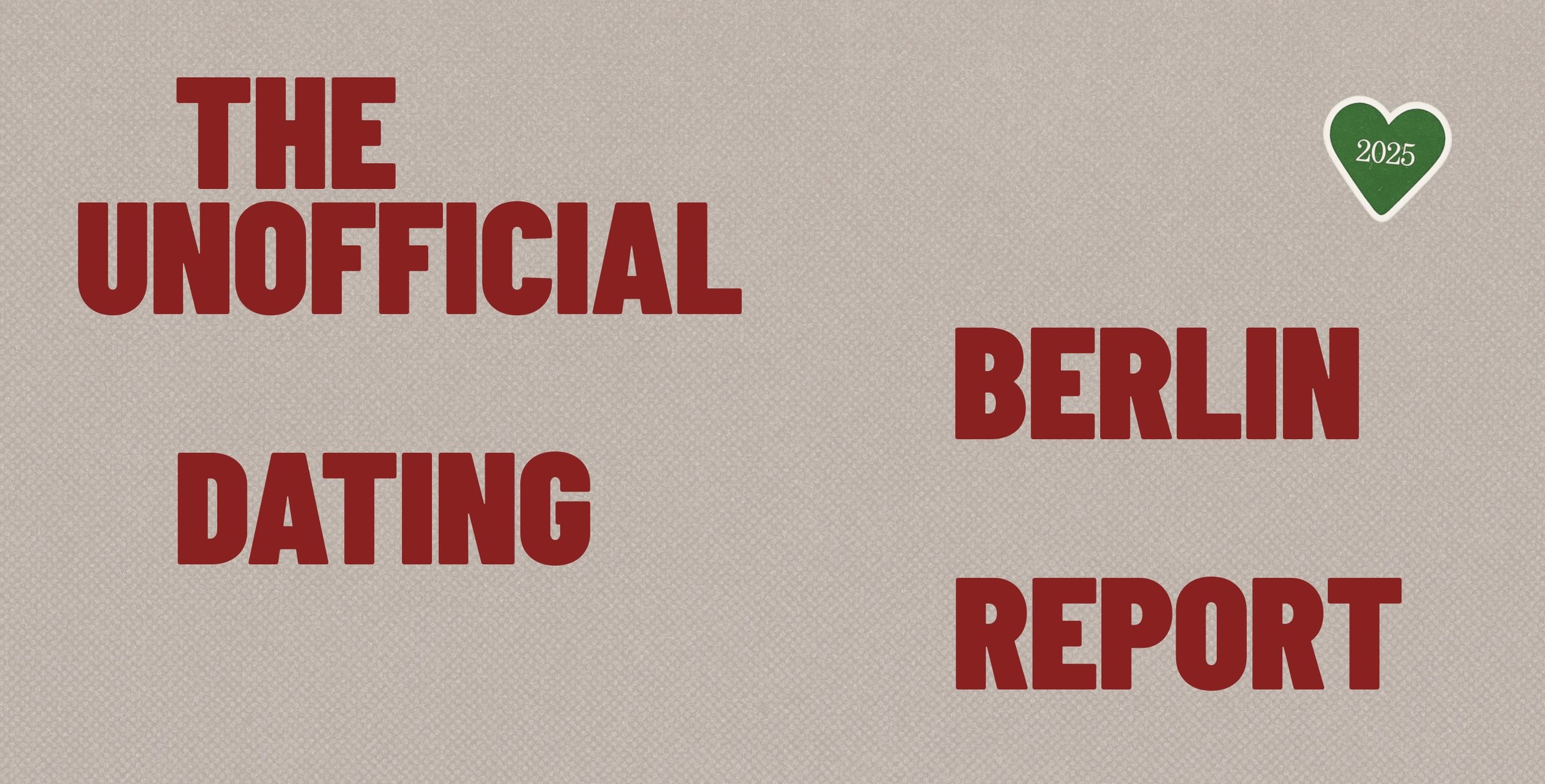
Expert contributor to The Unofficial Berlin Dating Report (2025) — a data-driven investigation into modern dating culture based on 1,500+ respondents. Elaine's analysis of experiential avoidance and the psychology of app-mediated intimacy features in the report's centrepiece chapter.
-

The Telegraph
Why Celebrity Deaths Now Seem So Personal. Cyberpsychologist Elaine Kasket explains why the deaths of public figures feel so personal in the social media age. She explores how parasocial relationships — one-sided bonds with people we follow online — have intensified through digital platforms, and why grief for strangers we've never met can be psychologically real and profound.
-

New Scientist
Prenatal Data Sharing. Cyberpsychologist Elaine Kasket is featured in this New Scientist piece on prenatal sharenting — how parents build a child's digital footprint before birth through pregnancy apps, scans shared on social media, and data collected during gestation. Elaine examines the psychological and privacy consequences of developing the sharenting habit prenatally. Themes from Reset.
-

The Huffington Post
Meet Attentional Infidelity. Cyberpsychologist and couples therapist Elaine Kasket on the concept of attentional infidelity — what happens when we give our attention to a screen instead of the person in front of us. Elaine explains an issue she sees frequently in her therapy practice, and how it erodes trust, intimacy, and connection in relationships. Themes from Reset.
-

The Daily Mail
Phubbing. Cyberpsychologist Elaine Kasket on phubbing — the habit of snubbing your partner by looking at your phone. Elaine explains the psychology behind why we reach for our devices mid-conversation, the damage it does to relationships, and practical steps to stop. A feature on digital habits, technoference, and protecting connection in an age of constant distraction. Themes from Reset.
-
City AM
The Social Media Giants Are Becoming Digital Graveyards. Cyberpsychologist Elaine Kasket writes for City AM on what happens when social media platforms become accidental cemeteries. After Twitter's 2019 threat to cull inactive accounts — including the dead — Elaine examines the clash between platform business models and the emotional weight of digital remains. Who owns your data after death, and why do tech companies keep getting it wrong? Author of All the Ghosts in the Machine.
-
BBC Science Focus
Four Things You Might Not Know About Your Digital Afterlife. Cyberpsychologist Elaine Kasket on the surprises lurking in your digital legacy — from the limits of what your family can access after you die to the growing population of dead people on social media. A concise guide to the hidden consequences of living online, drawn from Elaine's research for All the Ghosts in the Machine.
-

House of Beautiful Business
The Digital Dead. A long-form interview with cyberpsychologist Elaine Kasket for the House of Beautiful Business Journal. Elaine discusses the five ages of death, Facebook as an accidental graveyard, the spectacle of encountering the dead on the platforms where you knew them alive, and the ethical and commercial implications of persistent digital remains. Themes from All the Ghosts in the Machine.
-

IAI News
When Virtual Becomes Reality. Cyberpsychologist Elaine Kasket argues that digital connections deserve the same respect as face-to-face ones. Written during the first Covid lockdown, the essay challenges the assumption that online relationships are lesser — and asks what it means that we only recognised their value once physical contact was taken away. Published by the Institute of Art and Ideas.
-

Stylist
Tech Habits and Attachment Styles. Cyberpsychologist Elaine Kasket explores the relationship between attachment styles and technology habits. She examines how anxious, avoidant, and secure attachment patterns play out through phone use, texting behaviour, and technoference in romantic relationships — and what your digital habits reveal about how you connect. Themes from Reset.
-

The Sun/Fabulous Magazine
TikTok Made Me Buy It. Cyberpsychologist Elaine Kasket comments on the psychology behind TikTok-driven consumer spending and "wealth porn" content. She examines how social media platforms use persuasive design to drive purchasing behaviour, particularly among women, and the financial and psychological consequences of algorithmically curated aspiration.
-
Woman & Home
Totally Addicted to Tech? Cyberpsychologist Elaine Kasket contributes expert commentary on technology addiction, digital habits, and how to build a healthier relationship with screens. The piece explores whether we are addicted to our devices and what psychology tells us about the pull of notifications, scrolling, and constant connectivity. Themes from Reset.
-

The Independent
Stress-Busting Wearables. Cyberpsychologist Elaine Kasket provides expert commentary on stress-relief wearables and neurostimulation devices like NuCalm. She examines the psychology behind our growing reliance on technology to regulate stress, mood, and wellbeing — and whether these devices deliver on their promises or feed a deeper dependency on tech-mediated solutions.
-

Irish Times
A New Mourning — Grief in the Digital Age. Cyberpsychologist Elaine Kasket on how Facebook has changed bereavement. She explains why writing on a dead friend's Facebook page can feel more connected than standing at a grave, why profile removal is retraumatising for mourners, and how social media has given friends — historically a marginalised group of mourners — a central role in grief. An early feature on digital death and online memorialisation
-
Grazia International
What Happens to Your Data When You Die? Cyberpsychologist Elaine Kasket discusses the digital afterlife — what happens to your social media accounts, emails, photos, and personal data after you die. Published alongside the documentary Losing Signal, the piece explores digital remains, digital legacy planning, and why most of us are unprepared for our posthumous digital footprint. Themes from All the Ghosts in the Machine.
-

Psychology Today
Genealogy Websites. Cyberpsychologist Elaine Kasket writes for Psychology Today on the hidden personal costs of genealogy websites. She explores the psychological impact of DNA testing and digital family discovery, including unexpected revelations about parentage, identity, and family secrets — and what happens when the tantalising promise of knowing your origins collides with uncomfortable truths. Themes from Reset.
-

Marie Curie
Understanding Your Digital Legacy. Cyberpsychologist Elaine Kasket writes for Marie Curie on digital legacy planning — what to do with your online accounts, data, and digital memorabilia before you die. Practical guidance on passwords, legacy contacts, and why material keepsakes may outlast anything stored in the cloud. Based on her research for All the Ghosts in the Machine.
-

The Social Media Monthly
All the Ghosts in the Machine. A feature on cyberpsychologist Elaine Kasket's book All the Ghosts in the Machine: The Digital Afterlife of Your Personal Data. The piece explores the book's central questions: what happens to our data when we die, who controls our digital legacy, and why the growing population of online dead is a more urgent problem than most people realise.
-

Authority Magazine
5 Steps to Healthier Screen Time. Cyberpsychologist Elaine Kasket shares five practical strategies for building a healthier relationship with screens in this Authority Magazine interview. She discusses digital wellbeing, the psychology of screen time, and how to make values-driven choices about technology rather than defaulting to mindless scrolling. Themes from Reset.